
I met my best friend, Ursula Guidry, in college: a gorgeous, bighearted pre-med student who grew up in Houston near four chemical manufacturing facilities. She became my bridesmaid, and I was hers. Ursula’s mom died when she was a kid, and her dad relocated to Port Arthur where their home overlooked a petroleum storage facility and was near five chemical plants, some just a mile away.
[time-brightcove not-tgx=”true”]
Ursula died from cancer when her children were in preschool. We’ll never know if her death was pure “bad luck,” or whether it had something to do with growing up amidst plastics-manufacturing facilities.
What we know for certain is that the toxic chemicals emitted by those facilities can ravage the human body.
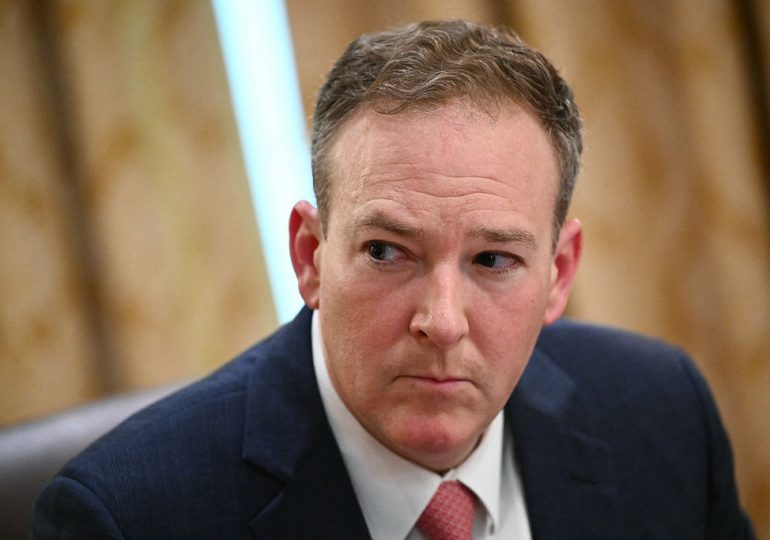
It’s against that backdrop that I watch Environmental Protection Agency Administrator Lee Zeldin work feverishly to dismantle the safeguards protecting people from toxic chemical exposures. He’s exempting the biggest corporate polluters from restrictions on airborne mercury, formaldehyde, and other carcinogens, and has signaled plans to gut the rules protecting communities from chemical disasters, giving giant corporate polluters a free pass to release toxic chemicals and climate-heating gases. This is happening alongside efforts to phase out the Federal Emergency Management Agency, which provides assistance to communities facing catastrophic emergencies, and to zero-out the budget for the Chemical Safety Board, an independent federal agency that investigates the root causes of chemical disasters and makes recommendations to prevent them from reoccurring.
Zeldin also is proposing to revoke the Endangerment Finding, a 2009 scientific determination that the emission of climate-heating gases is harming public health and welfare. Stripping the EPA of the legal basis for controlling climate pollution would put floods, fires, and hurricanes on steroids at the same time that Zeldin dismantles protections against chemical disasters. This is an explosive combination in communities like Ursula’s that are burdened with petrochemical infrastructure, and along the thousands of miles of chemical transportation routes. Chemical disasters last for years or decades, and can end in cancers and other serious illnesses.
These moves would usher in a future of chemical leaks, explosions, and fires, melting pipelines, and other chemical disasters. Toxic emissions begin before extreme weather even arrives. When storms are on the horizon, petrochemical facilities release massive amounts of flammable and explosive fossil gases into surrounding communities. In the case of Hurricane Harvey, for example, petrochemical companies smothered Texas communities with thousands of extra tons of benzene, sulfur dioxide, and other harmful pollutants. It takes only tiny amounts of these super-toxic chemicals to trigger life-altering and sometimes life-ending conditions.
The U.S. averages one chemical spill, fire, or explosion every three days, but Zeldin’s attacks almost guarantee an increase. Extreme weather can damage petrochemical equipment and storage vessels, and topple chemical storage tanks, as occurred in Hurricanes Rita and Katrina. Some chemical disasters result from power outages, for example at the Arkema Chemical Plant in Crosby, Texas, where more than three feet of flood waters damaged the refrigeration systems keeping toxic chemicals from decomposing and igniting. My friend Alex Gordon describes playing in the floodwaters with her little brother during the storm. Later, he was diagnosed with non-Hodgkins lymphoma, and she’s left wondering if their toxic waterpark-in-the-streets had something to do with his getting sick.
Every part of the petrochemical supply chain puts communities at risk, including the nation’s millions of miles of pipelines. In Satartia, Miss., a pipeline carrying carbon dioxide used in oil drilling ruptured from heavy rains and floods, spewing carbon dioxide for hours. The carbon dioxide displaced oxygen in the air, so car engines stopped running and people could not escape. Dozens were hospitalized. Acute CO2 emissions cause heart malfunction and death by asphyxiation.
Extreme flooding can also submerge Superfund toxic waste dumps. The clay, earth, concrete or sand coverings are no match for the increasingly powerful weather events. At the San Jacinto Waste Pits, for example, the protective concrete cap was smashed by 16 feet of flood waters, sending astronomical amounts of dioxins into the river. Nearly 1 in 4 Americans live within three miles of a Superfund site.
Zeldin’s plans are a gift to the fossil fuel and petrochemical corporations. For the rest of us, they are an explosive and hostile attack on our children, our families, and our best friends.
Leave a comment