
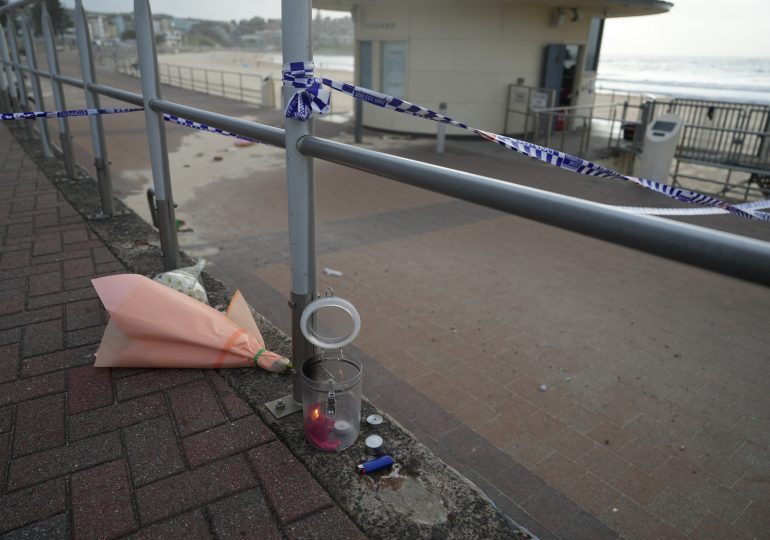
On a December afternoon, Jewish families gathered at Bondi Beach in Sydney to celebrate the first night of Hanukkah. It is a festival rooted in light, joy, and resilience. During the celebration, armed gunmen opened fire on a crowd of peaceful revelers. At least 16 people were murdered, and dozens more were injured. The attack was brutal and deliberate. Authorities have now confirmed it was both an act of terrorism and a targeted antisemitic assault.
It is tempting to reach for words like “senseless” or “shocking.” But the real shock is that anyone still finds this shocking.
What took place at Bondi Beach is not an isolated event. It is the grim result of the mainstreaming of antisemitism, the normalization of conspiracy theories, the distorting power of algorithms, and a persistent refusal to confront hatred that is directed specifically and repeatedly at Jews.
Read more: A Shooting That Strikes at the Heart of Australia
Antisemitism is no longer confined to fringe groups or obscure internet forums. It now thrives in lecture halls, on city streets, and in public discourse. Jewish students are harassed on campuses. Synagogues require armed guards. A Hanukkah celebration has now been turned into a war zone.
When a synagogue is attacked, or a Jewish museum, or a school, some still search for nuance and disclaimers. They broaden the frame by insisting that all hate is wrong. They point out the dangers of racism in general, as if naming the problem precisely would somehow undermine solidarity. It does not. The refusal to name antisemitism directly and recognize it as a distinct, ancient, and evolving hatred is not a sign of balance. It is a form of denial.
That denial has consequences. It allows antisemitism to mutate and spread, emboldened by populist rhetoric and selective outrage. While governments debate definitions, mobs commit atrocities.
Read more: A Timeline of Rising Antisemitism in Australia
What happened at Bondi is what happens when hatred goes unchecked.
And yet, in the heart of the chaos, a Muslim bystander risked his life to stop one of the attackers – a courageous act that saved lives and reminded us of the moral clarity that can rise above identity.
When leaders equivocate, moral clarity collapses into tribal calculation, and the targeting of Jews is treated as unfortunate instead of urgent.
Hanukkah is a story of survival against overwhelming odds and of light rekindled in the darkest hour. But no community should be expected to become expert in survival. It is the responsibility of governments, institutions, neighbors, and technology leaders to ensure that public celebrations are met with joy, not gunfire.
If there is any moral clarity left in us, it must begin with a simple and unambiguous truth. This was an antisemitic massacre. Preventing the next one will take more than statements. It requires action across law enforcement, education, public discourse, and the digital spaces shaped by the companies and algorithms that influence what billions of people see and believe.
This is not just a test for Australia. It is a test for all of us.
Leave a comment