If you’ve found yourself drained by your electricity bill this winter, you’re not alone. Electricity costs have been steadily rising for years now, outpacing inflation. The average monthly residential electricity bill increased from about $121 in 2021 to $156 in 2025, a nearly 30% rise. And from last January to October alone, electricity bills rose 12.7%.
[time-brightcove not-tgx=”true”]
Brace yourself: things are likely only going to get more expensive. The average U.S. household is projected to spend nearly $1,000 this winter to heat its home, according to data from the National Energy Assistance Directors Association (NEADA). The rising costs come as more Americans are finding themselves unable to afford their utility bills. NEADA estimates that up to four million households experienced utility disconnections in 2025, nearly 500,000 more than in 2024. Meanwhile, total funding for federal heating assistance is on the decline—falling from $6.1 billion in 2023 to about $4 billion in 2025.
Here are five reasons why your electricity bill might be higher than normal.
Inflation
Since the pandemic, electricity prices have been getting more expensive—just like almost everything else.
“Consumer electricity prices have been growing at a much faster rate than the rate of inflation in the general economy, which is important because the rate of inflation and general economy has been pretty high,” says Christopher Knittel, faculty director of the MIT Climate Policy Center.
Read more: How to Lower Your Electricity Bill
Rising inflation also means that maintaining the nation’s electricity grid costs more than it used to. “Anything that’s being built or installed right now costs more than it did just five years ago,” says Kenny Stein, vice president of policy at the Institute for Energy Research.
Aging Infrastructure
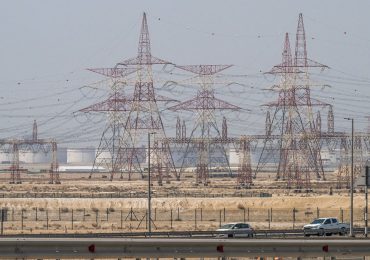
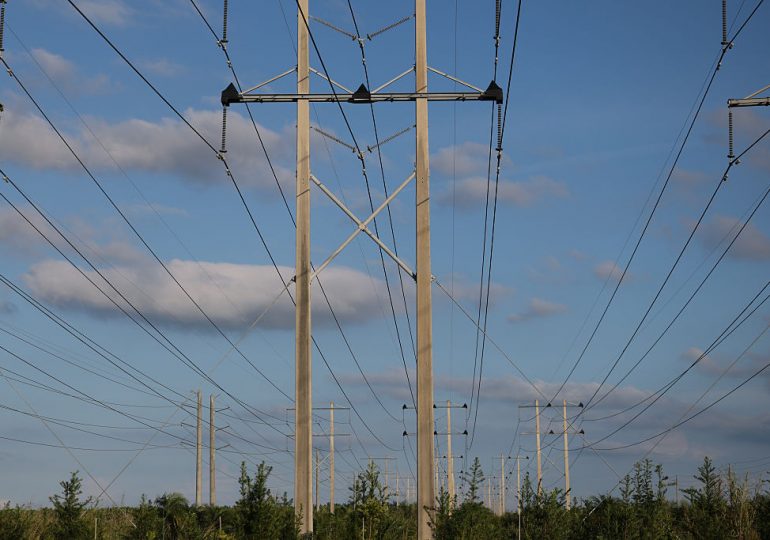
Much of the country’s electricity infrastructure was built in the 1960s and 1970s and some 70% of transmission lines are over 25 years old and approaching the end of their life cycle.
Across the country, the grid is in major need of upgrades—the cost of which is showing up in your bill. “That’s a very expensive process and is required for safety reasons, but those costs of doing that have to be passed on to rate payers in the form of higher electricity prices,” says Knittel.
Tariffs
Many of these upgrades may rely on steel and aluminum. But tariffs on these key materials, initially put in place during the first Trump Administration and carried on during President Biden’s term, raise the cost of equipment and construction. Last year, President Trump raised the tariff rate from 25% to 50%, and expanded it to include more than 400 additional product categories.
“Every time you put tariffs on aluminum or steel, that raises electricity costs. If you think about building or repairing pylons, building power plants, building anything, [it] takes a lot of aluminum and steel,” says Stein. “All those tariffs are going to filter through the cost of electricity.”
Climate Change
From hurricanes to wildfires, extreme weather events can impact electricity prices. Many states are working to modernize their grids in advance. In California, for example, increased wildfire spending from 2019 to 2024 added about 4 cents per kilowatt hour to annual rates, according to a report from Lawrence Berkeley National Lab. Failing to make changes ahead of time can lead to costly repairs in the event of a natural disaster.
Read more: Electric Bills Could Reshape U.S. Climate Politics
A report from Payless Power, a Texas electricity company, found that increasingly hotter summers have contributed to a 400% increase in utility rates since the mid-1970s. The report found that the average American household paid about $784 for electricity during the summer of 2025—6% higher than 2024.
Data Centers
Demand for electricity has been skyrocketing in the U.S.—and it’s only expected to go up. That’s due in large part to a rising number of data centers cropping up in neighborhoods around the country. Data centers accounted for 4% of total U.S. electricity use in 2024, and their energy demand is expected to more than double by 2030.
“The elephant in the room, of course, is data centers, and they are certainly expanding and consuming a lot more electricity. So it’s hard to imagine that they’re not pushing up prices to some level at least,” says Knittel. Areas near new data centers saw an increase in electricity costs of as much as 267% compared to five years ago, according to a Bloomberg News analysis from September.
However, it can take time for big changes like a new data center to be reflected on your bill, says Stein: “Rate increases filter down to consumers over the course of years, so the rate increases we’re seeing today are the result of investment decisions or policy actions taken two, three, or five years ago.”
Stein warns that electricity rate hikes, painful as they are, are often needed to keep the electricity grid reliable—even more so now with increased demand.
“In the 2000 or 2010s, because electricity demand was not increasing, you could get away with skipping some of the investments,” he says. “But now that demand is increasing you can’t play those games anymore, and some states are in worse shape than others because they’ve under invested.”
Leave a comment