Microsoft’s rollout of “community-first” AI infrastructure plan this week wasn’t any ordinary corporate announcement.
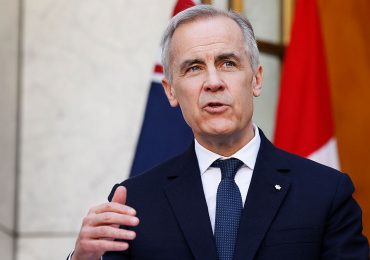
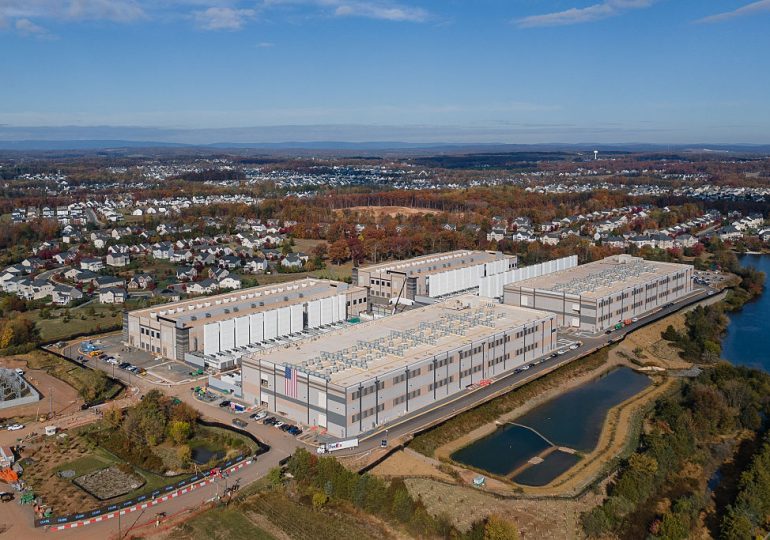
In a splashy event just outside Washington D.C., Microsoft vice chair Brad Smith laid out five big promises to address flagging enthusiasm about new data centers in communities. This included a commitment to pay more for electricity to ensure that data centers don’t drive up consumer electricity costs and a promise to create jobs for local residents. The announcement was a big enough deal that President Trump previewed it positively in a social media post the night before, framing the move as a result of his administration’s engagement.
[time-brightcove not-tgx=”true”]
“The truth is, infrastructure build outs progress only when communities conclude that the benefits outweigh the cost,” Smith said on Tuesday. “It needs to be built on trust.”
The announcement is first and foremost a testament to just how much the backlash to these resource-intensive data centers has heated up, including and especially the response to electricity prices. Over the last year, the cost of electricity for consumers has grown at more than twice the rate as the overall rate of inflation, according to U.S. government data.
To pay for the infrastructure required to serve data centers, utilities have embarked on a massive build out of electricity generation as well as transmission and distribution networks. While data centers are being planned and constructed, utilities begin recovering their own infrastructure costs from their broader base of customers—fueling the perception that households are subsidizing AI. In many places that means costs are going up, and consumers, who also happen to be voters, are upset.
Big tech companies, including Microsoft, have been forced to pull back some projects in response to the growing community opposition.
I wrote about this dynamic on the ground in Georgia last year. In municipalities with no data centers, local officials were keen to attract them to support the tax base. In places with multiple, policymakers were enacting moratoria to keep more from being built. And, during last November’s general election, voters removed some of the state officials charged with overseeing electricity in the state due to ballooning power bills.
In a matter of months, this issue went from being a local politics story to now being a focal point in national politics ahead of this year’s midterm elections. For tech companies and data center developers, rising electricity prices (alongside other factors driving opposition to data centers including their water usage) are threatening their AI ambitions.
The vision that Smith presented this week is an almost utopian alternative universe. He described a full-fledged renaissance for local communities as tax dollars collected from data centers fund hospitals, schools, parks, and libraries. He promised years upon years of construction jobs as data centers not only set down roots but continue to expand. And he promised that Microsoft’s proactive work with utilities could fend off price increases for retail consumers. Microsoft will pay for some infrastructure improvements at utilities and ask utilities and regulators to allow the company’s data centers to pay higher rates.
Smith’s vision reminded me a bit of my time during the shale oil boom driving around the Permian Basin, the region of West Texas and New Mexico home to a resurgent oil and gas industry. In the area, impressive community infrastructure is funded by a mix of state and local taxes on oil production as well as corporate philanthropy. It’s a social contract that allows oil companies to plow full speed ahead with their drilling while keeping local residents happy—at least in the boom times.
But such social contracts are built over time and with much trial and error. In the case of many oil and gas regions, the industry and the communities grew up together with people choosing to live there to access jobs.
On Thursday, Mike Sommers, who runs the American Petroleum Institute, offered his own advice to the tech industry at an energy event in Washington. “Companies have to get ahead of this fight because right now, they’re the new hydraulic fracturing,” said Sommers. “They have to step up to the plate and start talking about how Americans actually benefit from their technologies.”
Smith acknowledges the uphill challenges. “The progress that the future requires… needs to be built on trust that is never built in a day,” he said. “It’s never built with just the unveiling of a plan, [but] built by ensuring that our deeds match our words.”
And that’s the catch. Trust takes years. And, when it comes to data centers, the tech industry is coming from behind.
To get this story in your inbox, subscribe to the TIME CO2 Leadership Report newsletter here.
This story is supported by a partnership with Outrider Foundation and Journalism Funding Partners. TIME is solely responsible for the content.
Leave a comment