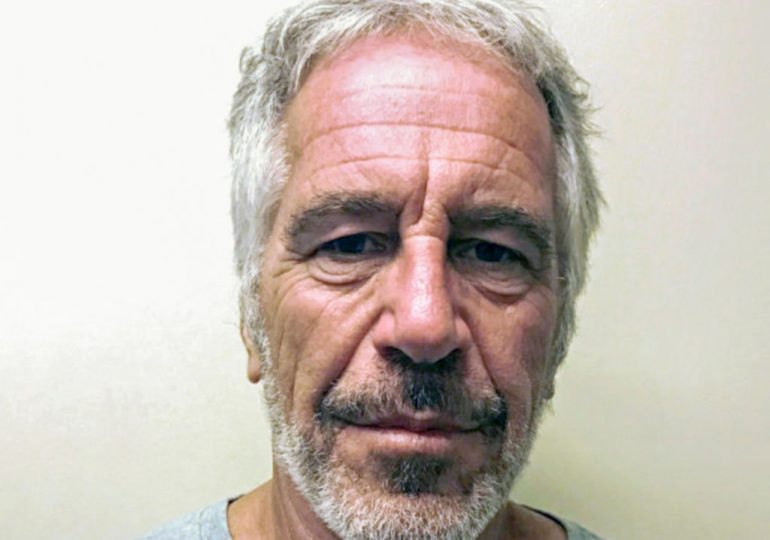
More than a month has passed since the deadline for the Department of Justice (DOJ) to release all its files related to the investigations into convicted sex offender Jeffrey Epstein. And while the department has publicly shared thousands of documents since that date, those releases account for only a fraction of the materials it has in its possession—leaving the vast majority of the so-called “Epstein files” still unreleased.
Under the Epstein Files Transparency Act, which was passed by Congress and signed into law by President Donald Trump in November, the DOJ was required to release all the Epstein files by Dec. 19. The department began releasing materials that day, but the Trump Administration admitted that it wouldn’t share all the documents by the deadline, claiming that the scale of redactions needed to protect victims’ identities would delay the full release. Since then, the department has released a few batches of documents related to the Epstein case. But it has been weeks since the most recent of those batches was made public, and earlier this month, top DOJ officials revealed that more than two million documents have yet to be shared, meaning that less than 1% of the Epstein files have been released.
[time-brightcove not-tgx=”true”]
Read more: What Is—and Isn’t—in the Newly Released Epstein Files
The partial releases—and the heavy redactions made to many of the documents that have been made public—have sparked outcry from politicians, survivors of Epstein’s abuse, and the public. Days after the December deadline, lawmakers threatened to take action against the Trump Administration for not releasing all the documents in the case, with Senate Minority Leader Chuck Schumer slamming the DOJ for what he called a “blatant disregard of the law.”
Here’s what to know about the latest developments in the situation.
Federal judge rejects request for an independent monitor
Republican Rep. Thomas Massie of Kentucky and Democratic Rep. Ro Khanna of California—the two lawmakers who co-wrote the Epstein Files Transparency Act—requested an independent expert to ensure that the DOJ complied with the federal law and released all its Epstein materials. But on Wednesday, a federal judge denied the request, saying that he didn’t have the jurisdiction to oversee the DOJ in this matter.
The judge, though, said that the issues that Massie and Khanna raised were “undeniably important and timely.” And he said that the two members of Congress could file a separate lawsuit to request an independent expert, and could use “the tools available to Congress” if they wanted additional oversight on the DOJ’s handling of the case.
“They raise legitimate concerns about whether D.O.J. is faithfully complying with federal law,” the judge said in his ruling.
Both lawmakers signaled that they would keep pushing for all the files to be made public in statements to media outlets following the ruling.
“We will continue to use every legal option to ensure the files are released and the survivors see justice,” Khanna said.
What lawmakers are saying about the delay in the release
Many lawmakers have continued to express their frustration that the DOJ hasn’t released all the files related to Epstein despite the deadline set by the law. Schumer, who introduced a resolution last month calling on the Senate to take legal action against the Trump Administration over the issue, again condemned the DOJ on Wednesday.
“It’s been 33 DAYS since Trump DOJ broke the law and failed to release all the Epstein files,” Schumer said in a post on X. “The DOJ admits it has released less than 1% of the total files. The silence from congressional Republicans is deafening.”
Other lawmakers, though, have dialed back their outrage. Although nearly all congressional Republicans voted in support of the Epstein Files Transparency Act, some have recently said they don’t consider the release to be a primary issue anymore.
“I don’t give a rip about Epstein,” Republican Rep. Lauren Boebert of Colorado said last week.
“Like, there’s so many other things we need to be working on,” she continued. “I’ve done what I had to do for Epstein. Talk to somebody else about that. It’s no longer in my hands.”
Republican Rep. James Comer of Kentucky, who serves as the chairman of the House Oversight Committee, told reporters last week that he believes the DOJ “is cooperating.”
“They are turning over documents,” he said. “We would all like for them to turn documents over quicker, but at the end of the day, they are complying.”
A separate probe into Epstein is ongoing in the House
The House Oversight Committee is planning to depose Ghislaine Maxwell, Epstein’s longtime associate, on Feb. 9, Comer said on Wednesday. The news comes months after Maxwell was subpoenaed by the committee, in July, as part of its inquiry into Epstein.
Maxwell’s lawyers said she would plead the Fifth if she sat for a deposition, Comer told POLITICO in November. The February deposition will be a closed session.
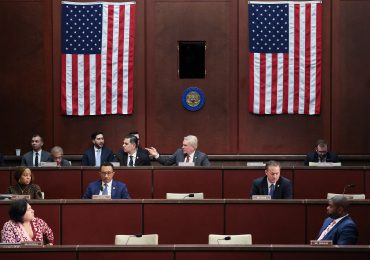
The announcement of Maxwell’s upcoming deposition comes the same day that the House Oversight Committee voted to recommend holding former President Bill Clinton and former Secretary of State Hillary Clinton in contempt of Congress, after the couple last week refused to testify in the committee’s investigation despite being subpoenaed to do so as well.
Read more: House Committee Votes to Hold the Clintons in Contempt in Epstein Probe
In a letter to Comer, the Clintons’ lawyers said that the subpoenas they received “are invalid and legally unenforceable, untethered to a valid legislative purpose, unwarranted because they do not seek pertinent information, and an unprecedented infringement on the separation of powers.” Their lawyers said that the couple has “already provided the limited information they possess about Jeffrey Epstein and Ghislaine Maxwell to the committee.”
Multiple files previously released by the DOJ have contained Bill Clinton’s name and photos, as well as those of other well-known figures with ties to Epstein. But Bill Clinton has denied any knowledge of Epstein’s crimes and said he never went to the late sex offender’s island.
In a personal letter sent to Comer last week, the Clintons criticized the chairman’s handling of the Epstein case, including for not doing more to compel the DOJ to release the remaining documents. They said that Comer has the “immense power to target anyone and subject them to closed door interrogation and more,” but claimed that his priorities in the panel’s inquiry “have prevented progress in discovering the facts about the government’s role.”
Speaking to the committee on Wednesday, Comer insisted that the Clintons’ testimony is “critical to understanding Epstein’s sex trafficking network and the ways he sought to curry favor and influence to shield himself from scrutiny,” adding that their testimony could also help Congress determine how to strengthen laws aimed at combatting human trafficking.
“The committee does not take this action likely, but subpoenas are not mere suggestions; they carry the force of law and require compliance,” Comer said. “Today, the Clintons must be held accountable for their actions.”
Leave a comment