In my early thirties, I relocated to rural New Hampshire from Florida. It was supposed to be a joyful and exciting time: I was in love and had moved north with the intention of building a life with my husband. It was also stressful. The losses of friends and community hit me harder than I realized.
[time-brightcove not-tgx=”true”]
Compounding these changes was the loss of warmth and light. I was unprepared for a New Hampshire winter. Late that first autumn, after picking apples and watching the leaves turn maroon, I found myself overwhelmed by winter realities I hadn’t considered.
I wasn’t prepared for the ice. Before work, my Volvo was fully encrusted, the door frozen shut. Items left in the car for a few hours transformed, like the shampoo in my gym bag that became a solid block.
On other days, snow barricaded the front door. I didn’t consider how roads could become unnavigable due to layers of white. I’d never heard the ominous term, “black ice,” until I described to coworkers the way my fiancé and I spun like a dreidel on Rt. 120 on our commute home.
I was unaware of the minutes added to seemingly every task, from defrosting and scraping the car to dressing myself before I left home. I learned that my wardrobe was inadequate, too. The cold made my fingers and toes ache, and my lungs burn. Approaching the winter solstice, the light departed long before 5 p.m. Days were short, and the darkness, and my dark moods, were perhaps the hardest thing of all. I became tearful at inconveniences, like when the salad I packed for lunch had frozen to a crisp.
I also felt a deeper sense of despair. Although I was happy in my relationship, at times I profoundly regretted my move from Florida. Problems that could be addressed, like my dissatisfaction with my office job, seemed insurmountable. Past traumas in my life resurfaced—bullying from my childhood, family alcoholism—lurking in my mind like unwelcome guests from October to April.
This cycle of emotional darkness let up by spring, as the days lengthened. I recognized the pattern: I sought treatment for seasonal affective disorder. I used light boxes and received cognitive behavioral therapy, but every year, for several years, my mood changed with the time change.
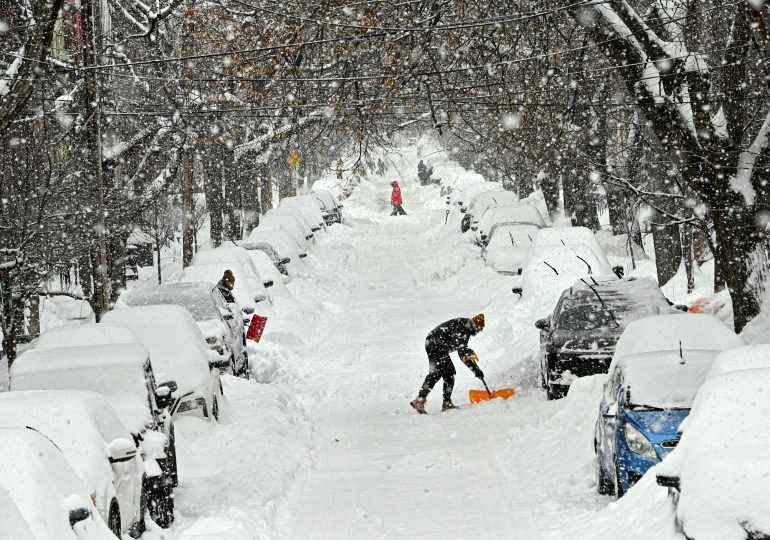
Seventeen years later, as snow spirals outside my window and gathers on the pines, I reflect on why winter is no longer such a struggle. The shift was so gradual I didn’t perceive it.
My life circumstances altered in the intervening years, certainly. In the course of that time, I got divorced from the person I’d moved north to be with. I made more fulfilling friendships and connections than that relationship provided, and I found a vocation instead of a job. My soul grew warmer.
I developed winter hacks. I wrapped string lights around my curtain rods well before the holiday season and kept them up until St. Patrick’s Day. I took noon walks to make the most of the sunshine and to feel my feet on the frozen earth. I reframed snow shoveling as a cardio-strength workout. I mastered the art of layering and discovered micro spikes.
Most of all, though, I learned to accept winter instead of resisting it. It was this acceptance that allowed me to change. Now, I welcome the limitations that let me slow down from the frenetic activity of warmer months. I appreciate the opportunity to rest.
I take in what light I can, and I luxuriate in the warmth—and even beauty—that I find. A snowstorm can be peaceful; it covers the earth in a fresh start. A blue and pale pink Vermont dawn, I’ve seen, can rival a Florida sunset.
After my divorce, I could have returned to Florida, but I’ve become accustomed to an all-season life. Winter reminds me that when something is taken away, we cherish it all the more. And winter gives something back: It teaches resilience.
Now, I know I can manage discomfort and cope through this harsh season. I can trust that longer, lighter days will inevitably return. I can navigate change.
I can even change myself.
Leave a comment