We all know smoking raises your risk of lung cancer and a poor diet can lead to diabetes or heart disease. But there’s another powerful risk factor behind nearly every chronic disease. Simply getting older increases our chances of developing cancer, dementia, heart failure, and many other conditions. Aging, the natural progressive loss of physiological function that occurs with the passage of time, is the single largest risk factor for the diseases that take our loved ones from us.
[time-brightcove not-tgx=”true”]
Yet we aren’t treating aging with the urgency that it deserves. Instead, the field is overshadowed by miracle cures, overhyped claims, and confusing messages, allowing a culture of “anti-aging” fads, driven more by marketing than by evidence, to flourish.
The human cost is painfully clear; our parents and grandparents cycle in and out of hospitals, receiving reactive medicine that chases one condition after another rather than addressing the underlying cause. It also imposes a staggering economic burden: the U.S. government spent more than $1 trillion on Medicare for the elderly in 2024, and that cost is growing by roughly 5% each year. As birthrates fall and more Americans enter their 70s and 80s, we’re at risk of running out of money and people to care for our elderly population.
The scale of this challenge demands a fundamentally different approach. An extraordinary number of scientists are generating promising early results that could substantively reduce aging’s burden. But we need a way to get these innovations to people. By targeting regulatory bottlenecks, building clinical infrastructure, and clearing regulatory pathways, we can incentivize drug sponsors, regulators, and insurers to treat aging as a legitimate medical target.
The aging field is moving away from the hype toward a more rigorous, clinical, and impactful future that holds the possibility of growing older without losing health.
A landmark study published in Nature Aging found that slowing the aging process enough to increase life expectancy by just one year would be worth $38 trillion, dwarfing the gains from reducing any single disease. That figure reflects not just reduced healthcare costs, but longer productivity, more years of independence, and the compounding benefits of keeping people biologically younger.
These are not abstract projections. They represent a world in which your grandmother is still sharp and active at 85, in which your father doesn’t spend his final decade diminished by disease, in which the people who raised us get to be fully present for the next generation.
Why don’t we have drugs that prevent or reverse health decline during aging? The answer to this longevity paradox is less about our understanding of aging biology or our ability to identify potential therapies, but more about how to get promising drugs safely to people. Clinical and regulatory systems are built around specific diseases, testing a drug’s ability to improve well-defined outcomes over months or a few years.
Aging doesn’t fit this structure. To test whether a drug given to 50-year-olds impacts how they function at 70 or 80, clinical trials targeting aging biology would need to last for decades. Even the largest pharmaceutical companies are reluctant to take that risk when the regulatory pathway is unclear. In this vacuum, supplements, unproven interventions, and their charismatic advocates thrive.
The Advanced Research Projects Agency for Health (ARPA-H), where I work as a program manager, has a fundamentally different approach. ARPA-H was created to take on high-risk, high-reward problems in health that are too complex or unconventional for traditional approaches. We bring together experts across disciplines, make bold bets, and accept that some projects will fail in the pursuit of transformative health breakthroughs.
Our two goals are to prevent aging and to reverse it. These goals are not just scientific; they also involve building the clinical and regulatory frameworks that make aging-focused therapies practical, testable, and accessible.
As a major first step toward prevention, ARPA-H recently announced the research teams for the Proactive Solutions for Prolonging Resilience (PROSPR) program. Developed in close consultation with geriatricians, regulators, and pharmaceutical companies, PROSPR is designed to create the foundation for a true longevity sector by enabling, in a clinical trial lasting just three years, the first generation of drugs targeting aging. The program will identify early predictors of future health by analyzing over 20 years of human data, and incorporating the most predictive biomarkers into a score that can predict 20-year health outcomes.
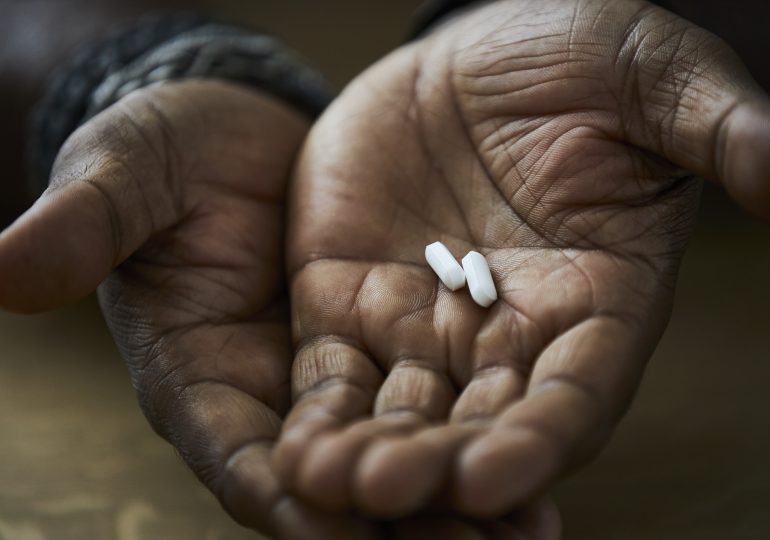
To validate this score, PROSPR will run the first Phase 3 clinical trial targeting aging in people not yet diagnosed with a specific disease, evaluating three drug targets already approved by the FDA for other conditions: rapamycin, which acts on cellular pathways linked to aging; newer obesity and diabetes medications known as GLP-1 agonists; and diabetes drugs called SGLT-2 inhibitors that also benefit the heart and kidneys.
The program will then test whether novel compounds designed specifically to target aging biology can be evaluated the same way. If the score proves accurate, it won’t just be a research tool; individuals could use a home testing kit to determine whether their lifestyle choices or treatments are actually making a difference. Our goal is to have that testing kit cost less than $100 by 2031.
While PROSPR focuses on prevention, reversing age-related decline requires more dramatic treatments. One area where the need is especially clear is frailty. Unlike a single disease, frailty is a condition in which multiple body systems—muscles, bones, the immune system, the brain—deteriorate simultaneously, leaving people weak, prone to falls, vulnerable to infections, and at a high risk of hospitalization. Five-year survival rates for frail individuals are comparable to some cancers, yet the condition is mostly managed with palliative measures like exercise and nutrition, which, while valuable, are not enough.
Treating aging requires going beyond drugs. ARPA-H is also exploring how to restore brain function by replacing damaged parts of the human brain with a program developed by ARPA-H program manager Jean Hebert.
While still early, this work reflects a fundamental shift in treating aging-related decline not as unavoidable fate, but as a problem that can be addressed with the full force of modern medicine.
Leave a comment