
—Getty Images/Yuri Kriventsoff
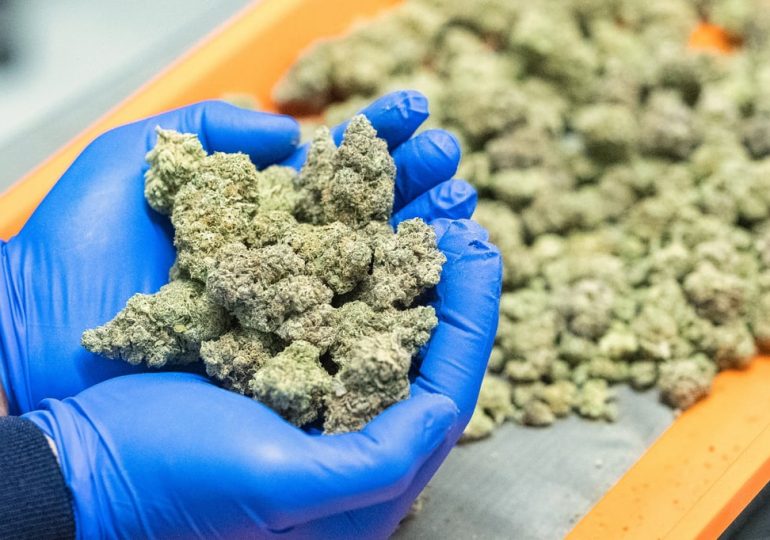
On April 23, acting U.S. attorney general Todd Blanche signed an order changing the federal classification of medical marijuana. The move, which came at the behest of President Donald Trump and will make the substance a Schedule 3 drug, will bring enormous tax benefits to medical marijuana producers in the 40 states where medical use is legal and may speed research into its effects, experts say.
But it does not legalize marijuana at the federal level, nor does it change the status of marijuana grown for recreational use. Here’s what you need to know.
What is a Schedule 3 drug?
In the Drug Enforcement Administration (DEA)’s classification system, drugs are assigned a category according to whether they have an accepted medical use and whether they’re likely to cause addiction. Since 1970, marijuana has been a Schedule 1 drug, alongside heroin and LSD; Schedule 1 drugs have no accepted medical use and a high risk of dependence, and possessing them may have legal consequences.
Schedule 3 drugs, where medical marijuana will now be classified, have a moderate-to-low risk of addiction. Drugs in this category include ketamine and testosterone.
A federal reclassification of medical marijuana, given its extensive use as a legal medical treatment at the state level, has been discussed before: President Biden pushed for reclassifying marijuana in 2024. Indeed, there are a number of substances whose Schedule 1 status may not be appropriate, says Alex Stevens, a professor of criminology at University of Sheffield in the U.K. who studies cannabis policy in the U.S. and other countries. MDMA, for example, “is a promising, but perhaps not yet proven, treatment for depression,” he says. “So there are still things in Schedule 1 that shouldn’t be.”
What does the Justice Department order mean?
It means that state-licensed makers of medical marijuana will be able to claim tax benefits that would not have previously been available with the Schedule 1 classification.
Read More: What Anesthesia Does to the Brain, According to a New Study
The rescheduling may also make it easier for scientists in the U.S. to study substances derived from marijuana. “Cannabis research is really, really limited by the previous scheduling,” says David Nutt, professor of neuropsychopharmacology at Imperial College London.
The order may also simplify the process of getting medical marijuana for some people, says Stevens. “It should, in theory, make it easier for people who need cannabis-based medical products to get them, and if it opens the door to insurers covering them, then that’s a great benefit for people…who can’t afford to pay the quite expensive costs of medical cannabis in the free market,” he says.
It does not change the legal status of marijuana for recreational purposes.
What will happen going forward?
The reclassification follows Trump’s executive order on April 18 to speed the consideration of psychedelics as treatments. These recent moves suggest that many drugs that have long been difficult to study—not just cannabis–may soon be easier to research, says Nutt.
Stevens speculates that future changes, whatever they may be, will reflect the goals of a variety of groups. “This power struggle between campaigners who want free access to cannabis for lots of different purposes, medical regulators who want to retain control over who gets to use it and who doesn’t, and businesses who want to make as much money as possible—the dynamic between those three policy actors is what’s going to affect the future of the cannabis market,” he says.
Leave a comment